Remaining in a new country or returning home? The Knowledgeable Youth podcast delves into the complex decision-making refugees face when migrating, together with researcher Olena Yermakova.
In the second episode of Knowledgeable Youth, the students discuss a theme close to their current experience, shared by many others’ in Vienna: migrating. The group of Ukrainian students explore migration, and what it means to leave home and find a new one.
Listen to the episode here:
Together with Ukrainian scientist and researcher Olena Yermakova of RECET, they draw insights from her article ‘The Way Home’. Join the students as they reflect on migration through their personal experience of forced displacement.
And continue with reading:

When a neighbourhood collapses into a warzone, from one day to the next, citizens become refugees. Securing safety and caring for those who remain creates a dual burden. Ukrainians, turning to their diaspora, have experienced both support and tension. Returning or remaining has become a political and deeply personal dilemma.
This series is developed by students from the Free People Educational Hub– a school for young people from Ukraine based in Vienna, who have been displaced by Russia’s war on Ukraine. Together, they explore current themes in the social sciences, together with researchers.
This project was co-ordinated by Carine Chen (Eurozine) and Irena Remestwenski (RECET).
Knowledgeable Youth: Science Communication in Times of War is co-organised by Eurozine, RECET, Radio Orange and the Free People Educational Hub in Vienna. The project is funded by the Cultural Department of the City of Vienna. Read more about the project here: www.eurozine.com/focal-points/youth-project/.
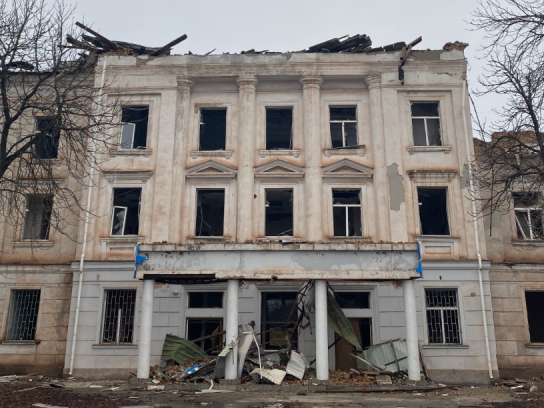
Copyright by Roman Doroshenko
Published 1 August 2024
Original in English
In collaboration with

In focal points


Invest in insight!
After over 20 years of publishing for free, Eurozine needs your support to get through an exceptionally lean year.
Become a Patron and get exciting perks for your help!


Want to hear a human voice?
Listen and subscribe wherever
you get your podcasts.
Newsletter
Subscribe to know what’s worth thinking about.
Related Articles

Related Articles

Starving ethnic Ukrainians and Moldovans, fleeing 1930s collectivisation, became controversial refugees in Romania – if, that is, they survived Soviet riverside gunfire. The international press and politicians expressed outrage – until the Nazi regime became a greater threat, leaving Holodomor sufferers overshadowed by distant enthusiasm for Stalin’s Five-Year Plan.

When human rights end
New Eastern Europe 3/2026
Why human rights still matter, of course; Lukashenka’s neo-Soviet sexism; Ukraine’s election dilemma.